

Top Electrical Safety Tips Every Homeowner Should Follow
Electrical safety is essential for every homeowner, especially in older homes or those with outdated wiring. From inspecting cords to using the right wattage, simple precautions can prevent serious electrical hazards. This guide outlines the top electrical safety tips to help you protect your home, your family, and your peace of mind. Whether you’re troubleshooting an issue or scheduling your next inspection, these tips can help you stay safe and informed.
Why Electrical Safety Is Crucial for Homes
Electrical safety is a critical component of maintaining a safe and functional home. Many homeowners, especially those in older properties, don’t realize that small oversights like outdated systems or neglected maintenance can lead to major risks, including electrical fires or shock. According to Electrical Safety Foundation International, thousands of home electrical fires are reported each year, many of which could have been prevented through basic safety practices. As a homeowner, and especially a brand-new homeowner, you play a crucial role in maintaining electrical safety in your home. Below, we will discuss electrical safety measures and what to look out for when caring for your home.
10 Electrical Safety Tips to Protect Your Home
1. Inspect Electrical Cords for Damage
Damaged or frayed electrical cords are one of the most common causes of household electrical hazards and can cause electrical fires. As part of your electrical safety tips routine, inspect cords regularly for cracking, exposed wires, or wear, and replace any that look suspicious. Never run cords under rugs or behind heavy furniture, as this increases the risk of overheating. Make seasonal cord inspections a routine part of your home maintenance.
2. Don’t Overload Your Outlets
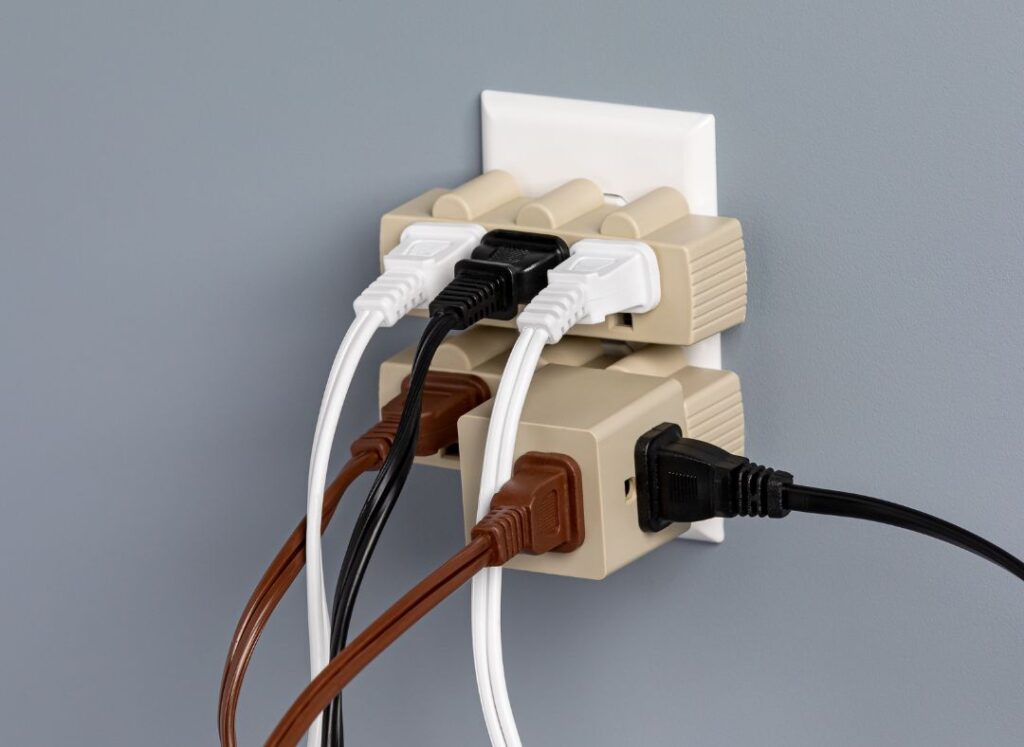
Plugging too many high-wattage appliances into a single outlet can overheat circuits and cause electrical fires, posing serious electrical safety concerns. Warning signs include outlets that feel hot to the touch, emit a buzzing sound, or frequently trip breakers. As part of electrical fire safety, use power strips with built-in surge protection and never “daisy-chain” extension cords.
3. Unplug Appliances When Not in Use
Unplugging appliances when they are not in use prevents overheating and reduces the risk of electrical fires. As part of smart electrical safety tips, this simple step is essential for electrical fire safety, especially if you have outdated outlets. Unplugging your appliances also saves energy and will reduce your electricity costs. Pro tip – If you are going away on vacation, save money and unplug all appliances. Stay aware!
4. Use the Right Light Bulb Wattage
Always check the wattage rating on your light fixtures and only use bulbs that meet the recommended specs. Following basic electrical safety rules means using the correct wattage to prevent overheating. Using the wrong bulbs in your electrical equipment, especially those with higher wattage than intended, can overheat the fixture and pose a fire risk. LED bulbs are a safe, energy-efficient alternative and are less likely to overheat.
5. Keep Electrical Equipment Away from Water
Water and electricity are a dangerous combination and can quickly lead to serious electrical hazards. Keep electrical devices, cords, and other electrical equipment away from sinks, bathtubs, sprinklers, and outdoor water sources. Always dry your hands completely before touching any electrical equipment to avoid the risk of shock.
6. Install and Test GFCI Outlets
A Ground Fault Circuit Interrupter (GFCI) is an essential part of electrical safety and is designed to shut off power if it detects any imbalance, preventing shock and injury. As part of standard electrical safety rules, these outlets are required in areas where water is present, such as bathrooms, kitchens, laundry rooms, and outdoors. Test your GFCIs monthly and hire a licensed electrician if installation or repair is needed. Contact Piper Electric for help.
7. Don’t Use Extension Cords as a Permanent Fix
Extension cords are for temporary use only. If you’re relying on them daily to power electrical equipment, it’s time to install additional outlets. Avoid running electrical cords under rugs, through windows, or pinched in doorways, all of which pose serious fire risks. Following these safety tips can help prevent accidents and protect your home. A residential electrician can safely upgrade your system for everyday use.
8. Know Your Electrical Panel Setup
Understanding your home’s electrical panel is a key part of electrical safety and can help you respond quickly in an emergency. Be sure to label each breaker clearly and learn how to shut off power to individual circuits, or your entire home, if needed. This knowledge can prevent further damage from electrical hazards such as sparks, overheating, or flooding. Watch for warning signs like frequently tripping breakers, unusual noises, or visible corrosion. If anything seems off, call a licensed professional right away.

9. Get Regular Electrical Inspections
Schedule an annual inspection with a licensed electrician, especially if you live in an older home or have recently completed renovations. As part of your home’s essential electrical safety tips, these inspections can uncover hidden electrical hazards such as outdated wiring, overloaded circuits, or improperly installed components. According to the Electrical Safety Foundation International, regular inspections are one of the most effective ways to prevent electrical issues before they become dangerous. Schedule your inspection today.
10. Call a Licensed Electrician for Help
If you still have questions about your current electrical system, it’s important to reach out to a licensed professional. DIY fixes can be dangerous and often lead to bigger problems, including electrical fire safety risks. A trained residential electrician has the knowledge and experience to ensure your home meets current safety codes and follows essential electrical safety tips. At Piper Electric, we’re here to support you. As one of the top Denver electrical companies, we’re ready to inspect, diagnose, and fix your electrical issues with safety and efficiency in mind. When in doubt, check it out. Contact Piper Electric to get started.
Outdoor & Seasonal Electrical Safety Tips
Outdoor and seasonal electrical setups require special attention and a strong focus on electrical safety. Use weather-rated electrical equipment for holiday lights, landscaping tools, and outdoor kitchens. Always use weatherproof electrical covers to protect outlets and devices from moisture and debris. Keep ladders and garden tools away from power lines, and ensure all outdoor outlets are GFCI-protected to reduce the risk of shock or fire.
Electrical Safety Tips for Families with Kids
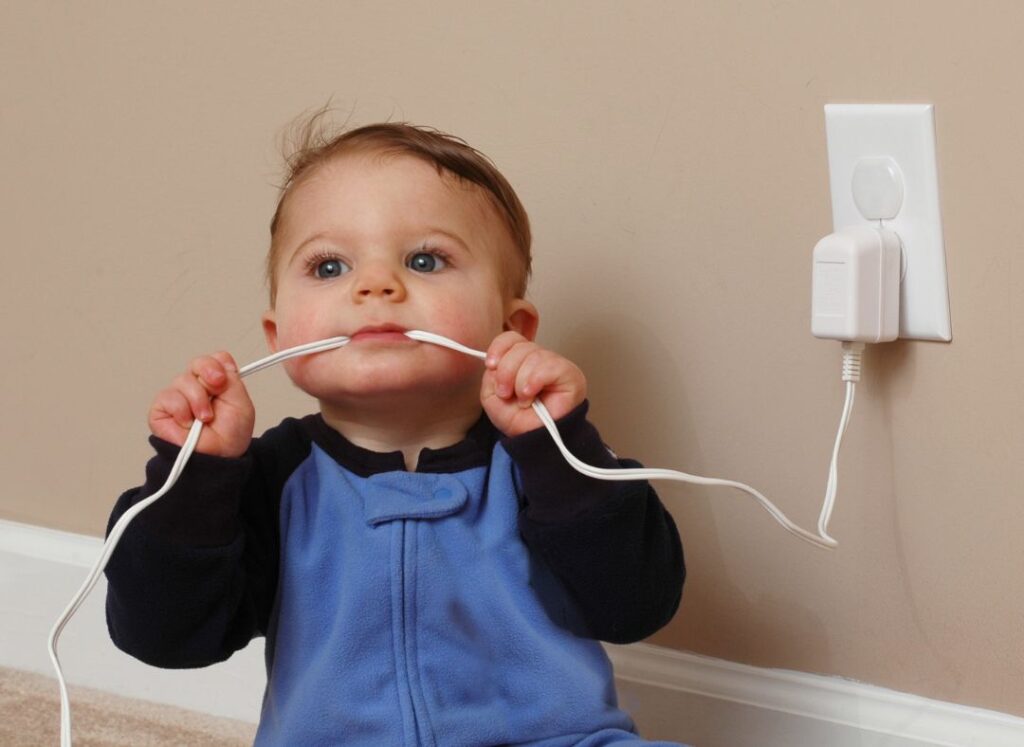
For households with children, following electrical safety rules is essential. Install tamper-resistant outlet covers, secure or conceal loose electrical cords, and keep appliances out of reach. These safety tips help reduce the risk of shock and injury in everyday situations. Educate your children early—teach them not to play with plugs, outlets, or switches, and explain the importance of using electricity responsibly.
When to Call a Licensed Electrician
If you notice any of the following signs, it’s time to call a professional:
- Warm or discolored outlets
- Burning smells from electrical components
- Frequent breaker trips or flickering lights
- Sparks when plugging in devices
- Any electrical project you’re unsure how to handle
Don’t wait for a small problem to turn into a major hazard. Call Piper Electric today to book your consultation.
FAQs: Electrical Safety at Home
- What are the most common electrical hazards in homes?
Frayed cords, overloaded outlets, outdated wiring, and improper use of extension cords are leading causes of electrical hazards. - How can I improve electrical safety?
Start by inspecting cords and outlets, using the right light bulbs, unplugging unused appliances, and scheduling regular inspections with a licensed electrician. - Are electrical inspections required for homes in Colorado?
While not legally required annually, inspections are highly recommended, especially in older homes, before selling, or after major renovations. - What should I do if my outlets feel warm or smell like burning?
Unplug any devices immediately and avoid using that outlet until a licensed electrician has inspected it. - When should I replace my home’s wiring?
If your home is more than 30 years old, or if you experience frequent electrical issues, consult a professional to assess whether rewiring is necessary.